⏱ Story Duration: 8 min
Byron Bay Candles:
How to improve
e-commerce UX ethically

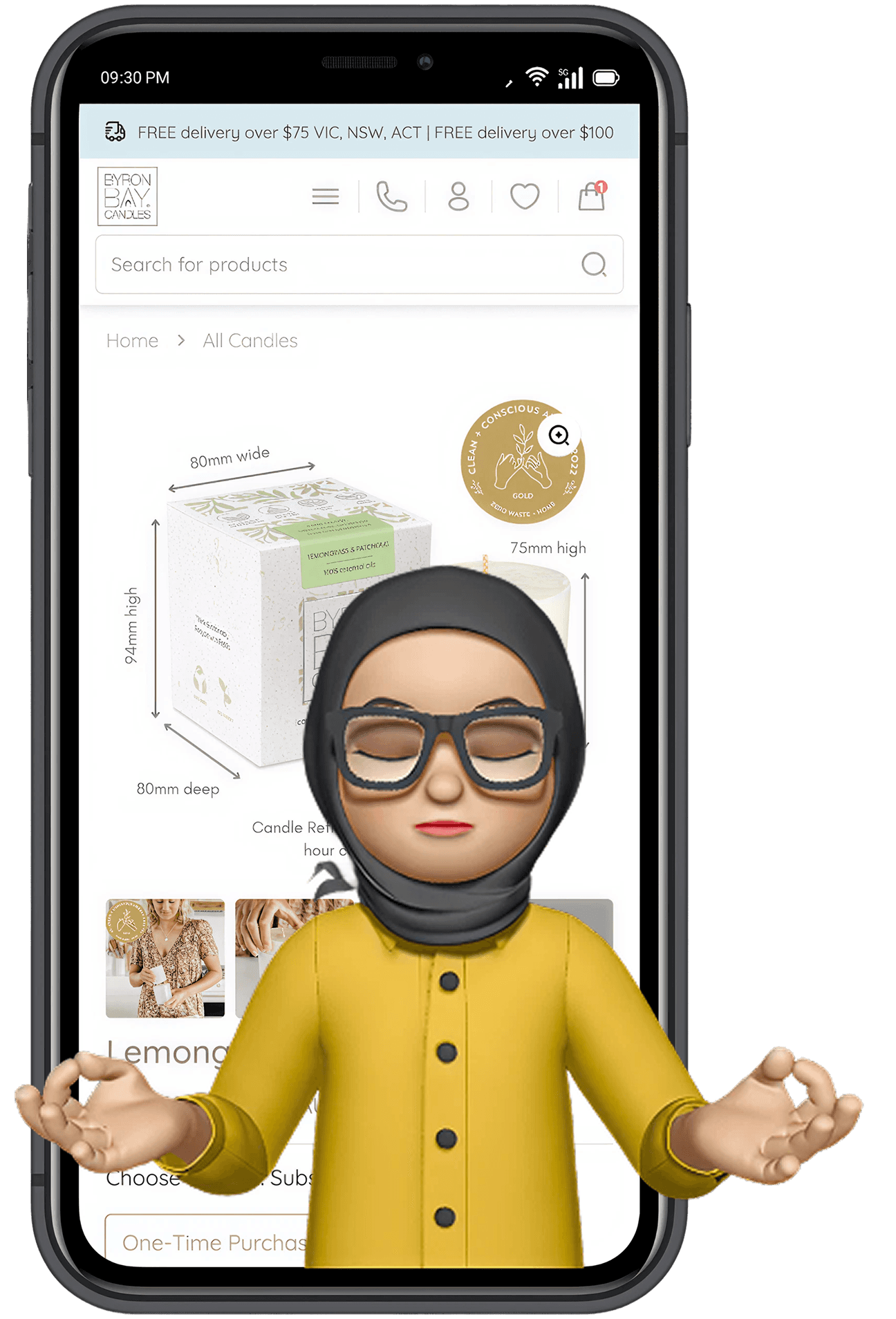
My friend keeps talking about these Australian
candles, Byron Bay Candles. Eco-friendly, hand-poured… I need a gift anyway.
Go check them out! I heard they're pretty good.


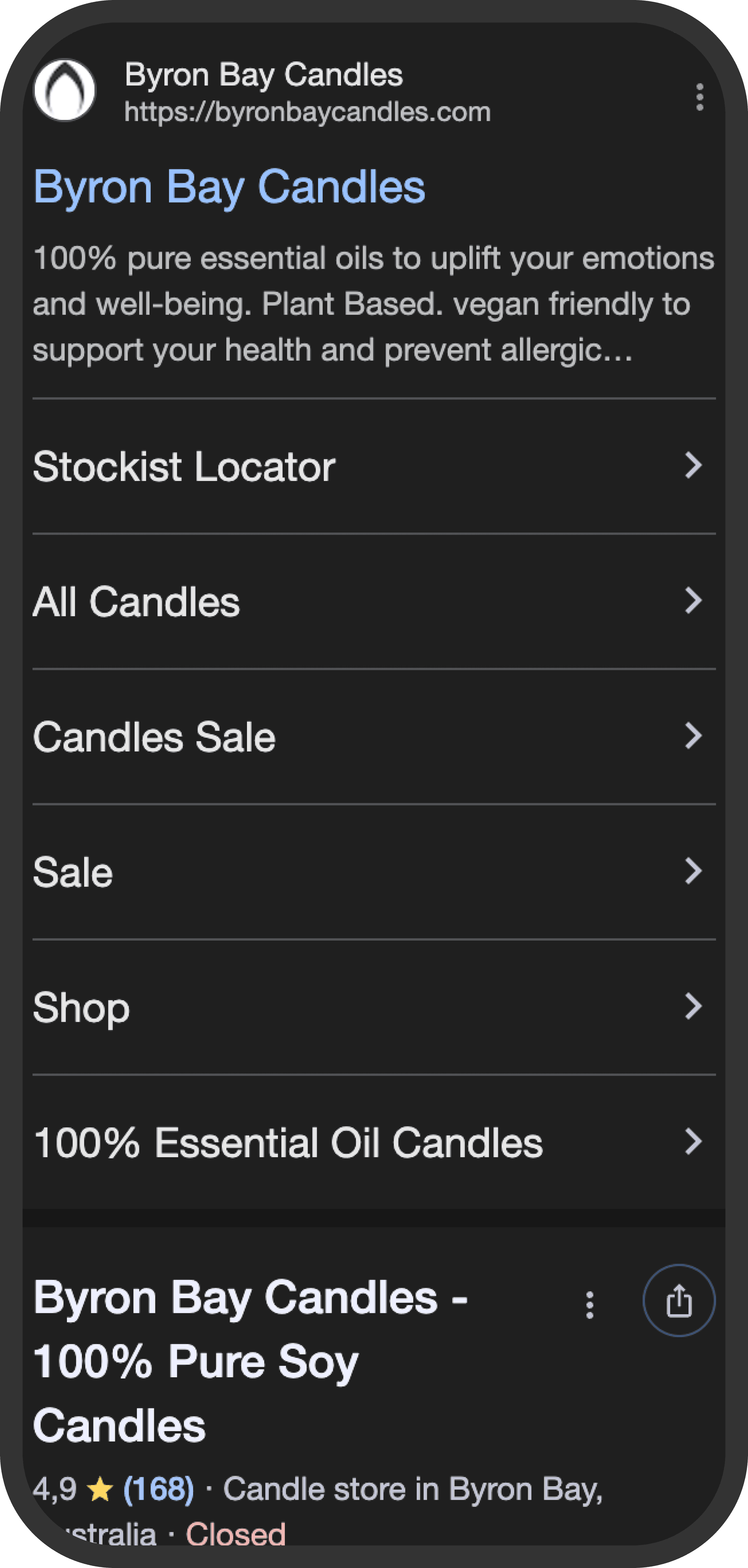
Okay, let me Google them… ≈TAP≈


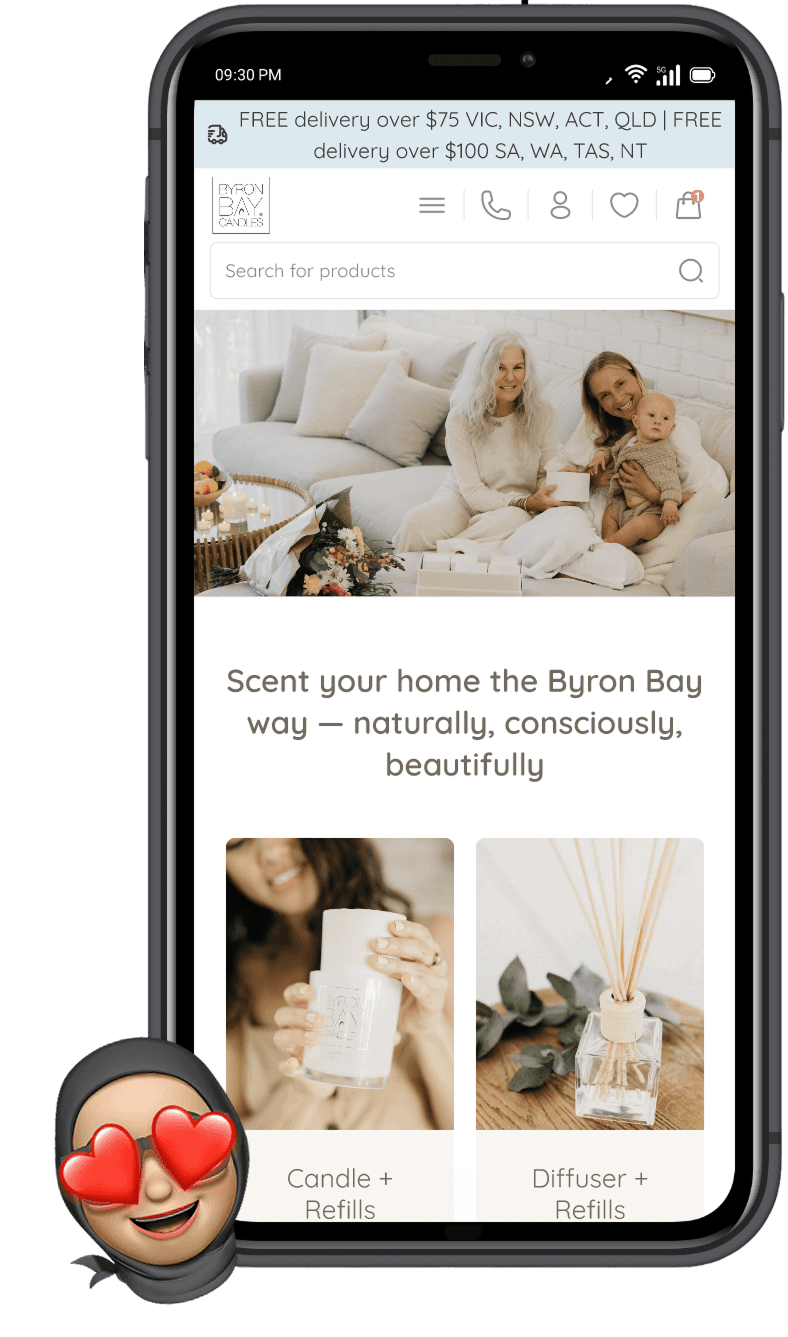
Ohh, nice homepage! Love the branding, very clean and eco-friendly feel.

Now let me browse… I'll open the menu. ≈TAP≈

Hmm… okay there's a lot going on here.
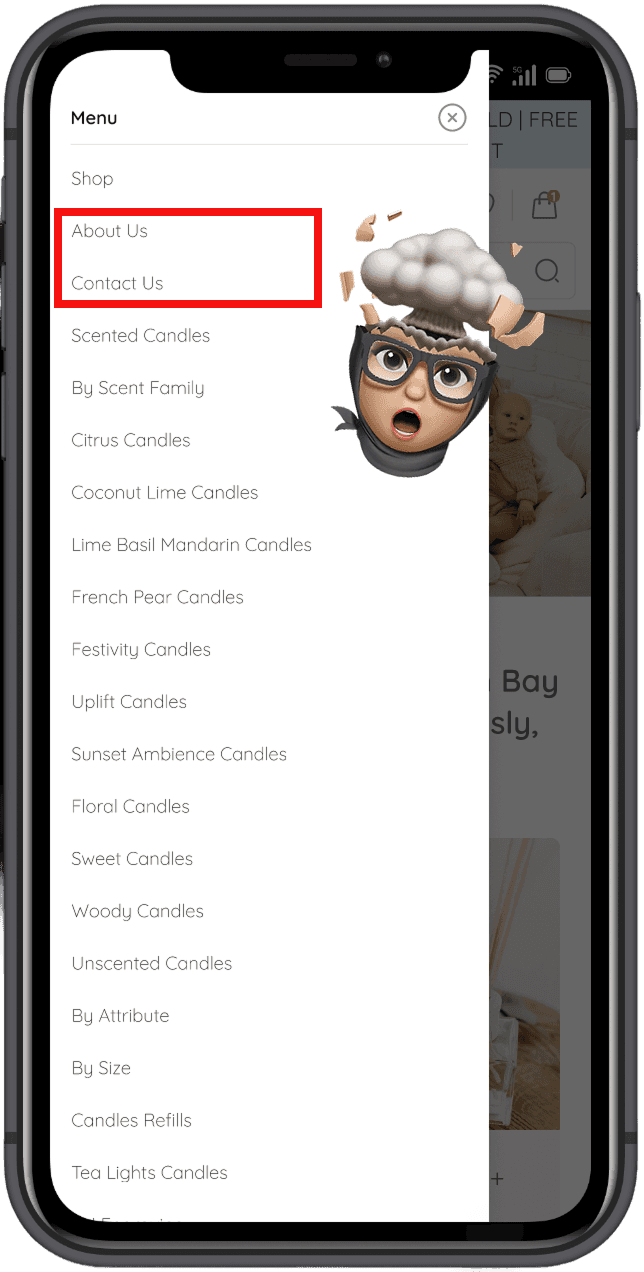

I just want to browse scented candles — but I have to scroll through 40 hyper-specific items to find anything. And why is "Sign In" and "Contact Us" sitting in the middle of the product list?
I'm not even sure what I'm looking at anymore…
#PSYCHOLOGY INSIGHT
Cognitive Load
When users have to process two different task types at once, browsing products and managing their accounts, working memory gets overloaded. Users don't notice it consciously. They just feel confused and leave faster.
Mixing courtesy links (Sign In, Contact) into product navigation, forces the brain to constantly re-categorize what it's looking at. That friction adds up.
¹ Sweller, J., Cognitive Load Theory (1988)
What if they just separated these, account links in their own zone, products in theirs?
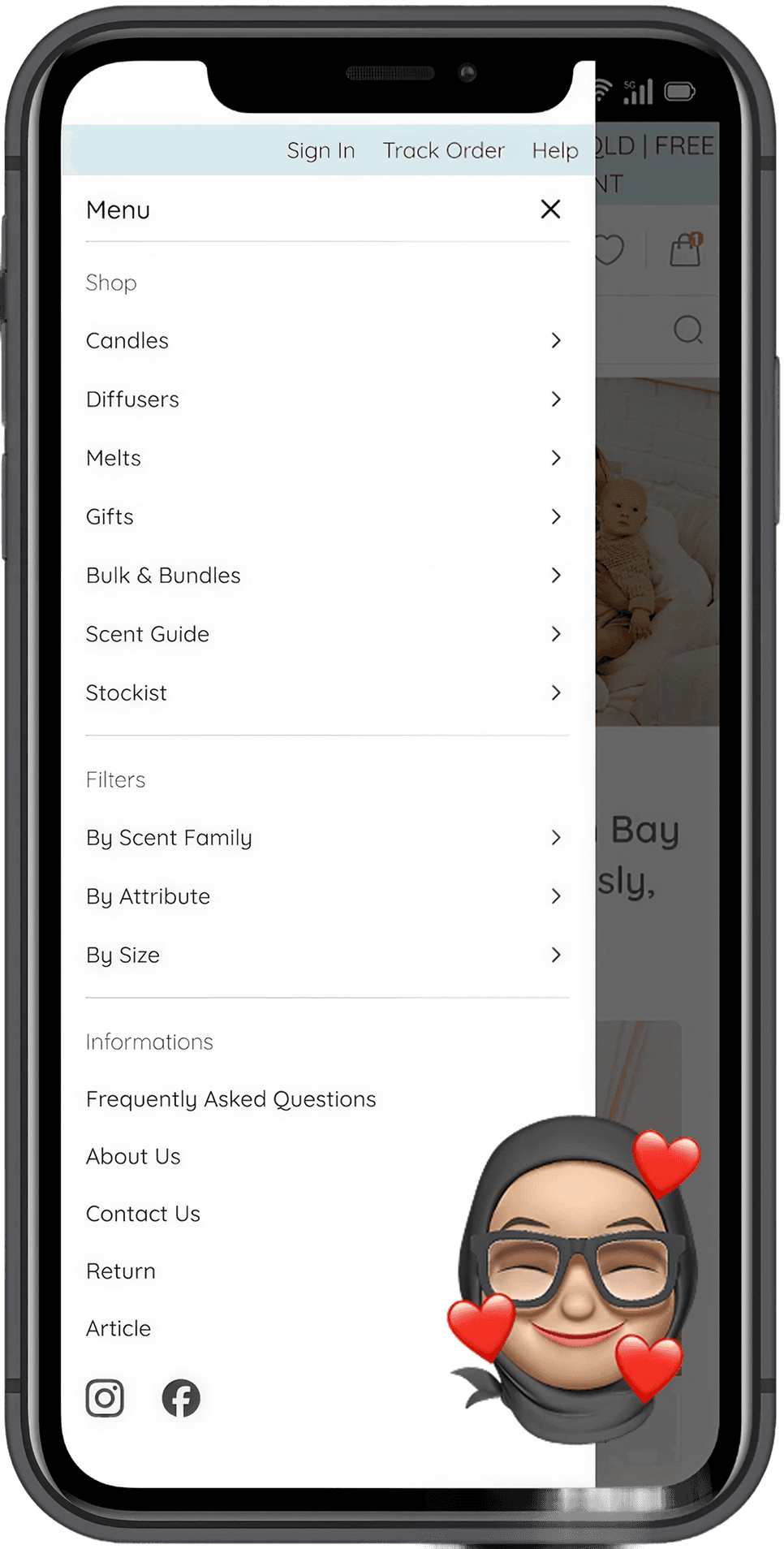
Ohhh — that's much better. Account stuff at the top, shop categories below. And then filters within each category — so I can browse broadly first, then narrow down.
#UX PRO TIP
The Hybrid Navigation Model
Categories answer "where am I?" — Filters answer "what exactly do I want?" Using
both together means users can explore freely without feeling overwhelmed.
Listing 40 product-specific nav items forces users to already know what they want
before they've even started browsing — which defeats the whole purpose.
¹ Nielsen Norman Group, Navigation Taxonomy Best Practices (2023)

Okay, let me try searching. I'm thinking something with vanilla…
≈TAP≈
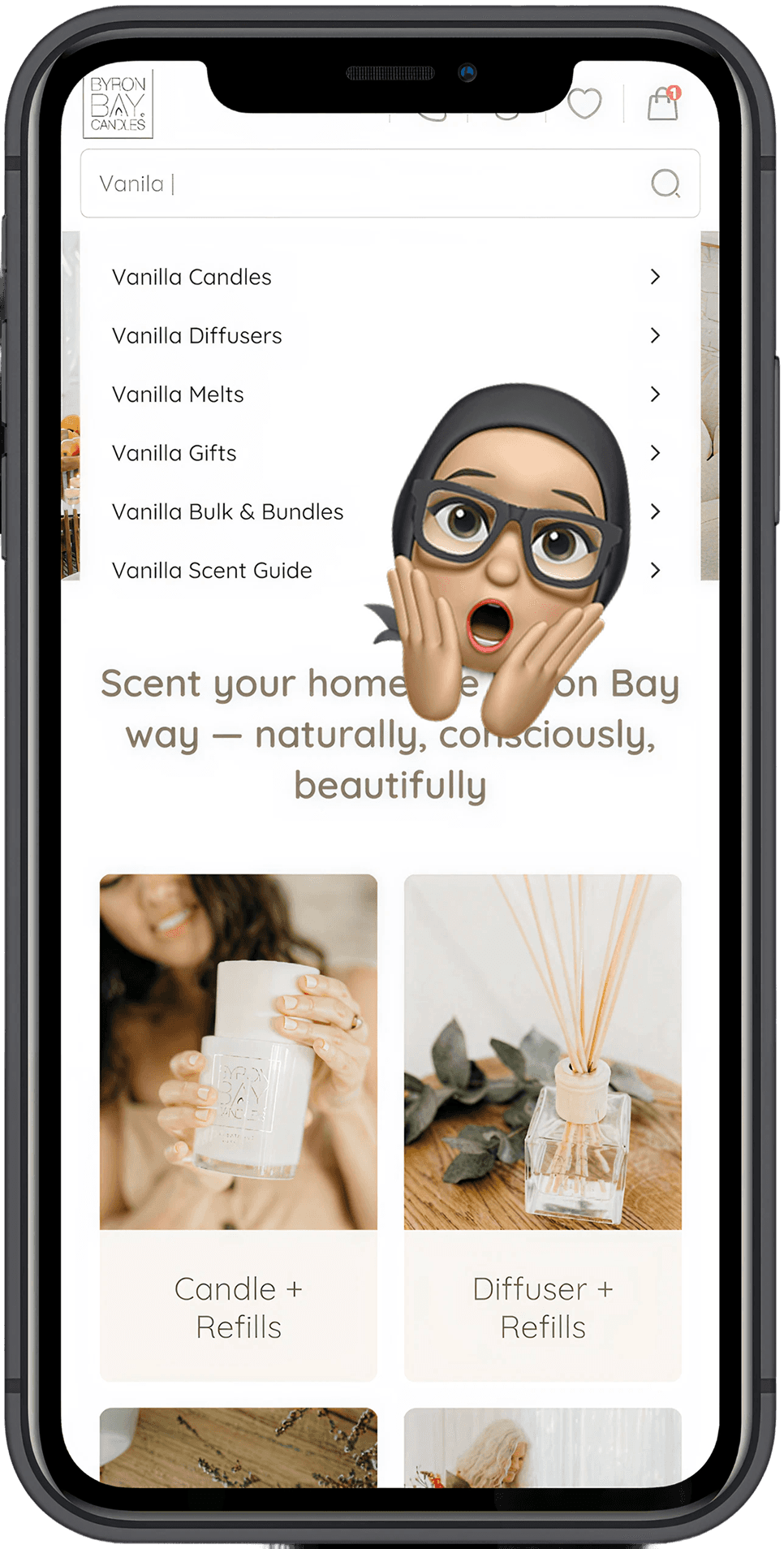
Okay, I see some results… but how many are there exactly?
I can't tell if there are 4 or 40 products. The count is this tiny grey text — "showing results for vanilla candle." That tells me nothing about the scope of what I'm working with.

Do I keep scrolling? Or is this everything? I genuinely don't know…
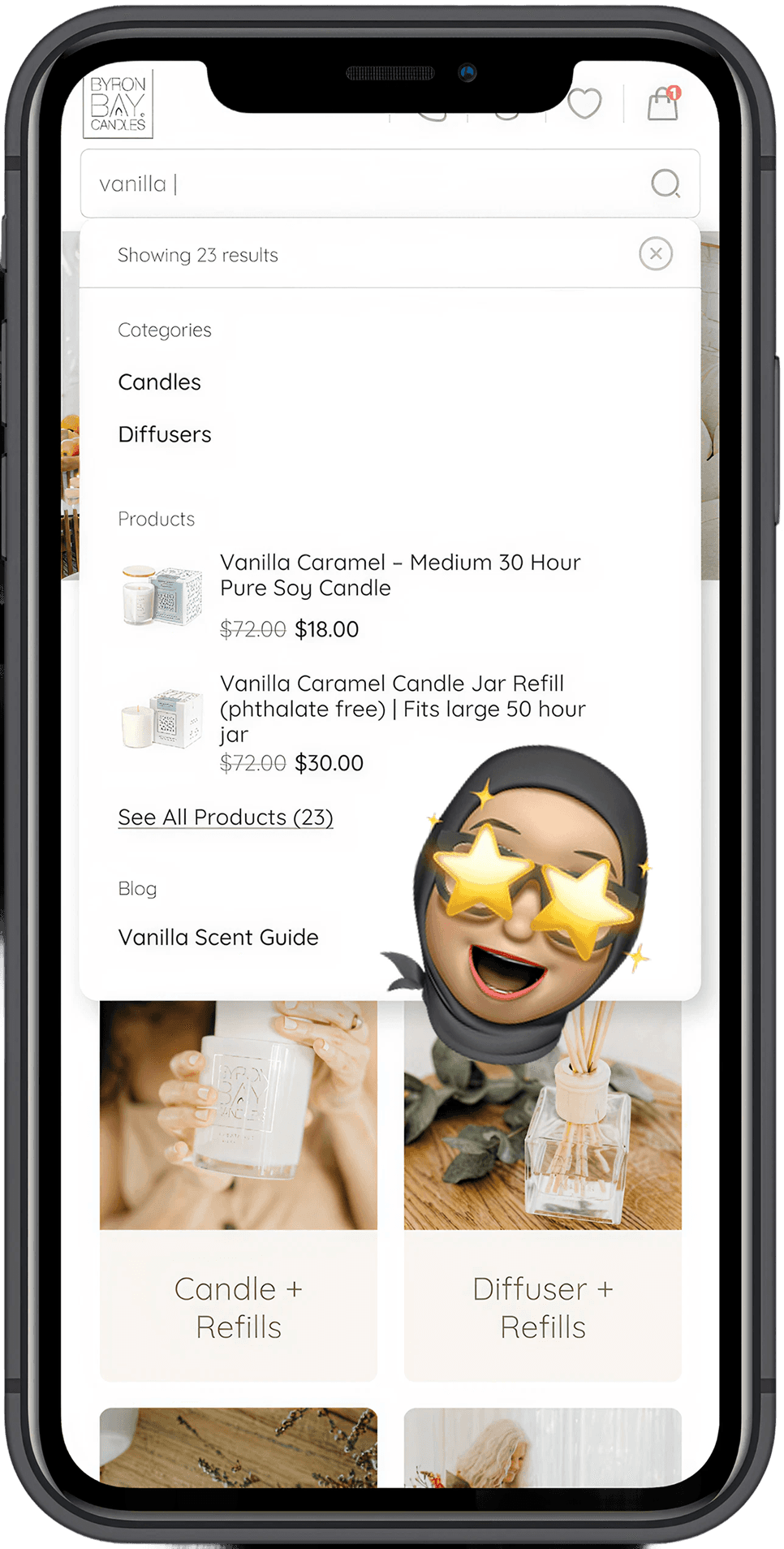

Niiice — "24 results for 'vanilla candle'." Now I instantly know what I'm working with. 24 options? Let me explore!
#UX PRO TIP
Visibility of System Status
Nielsen's first heuristic: users should always know what's happening. A result count isn't decoration — it's feedback that tells users whether to refine their search or keep browsing. When that feedback is invisible, users feel uncertain. And uncertainty is where drop-offs happen.
¹ Nielsen, J., 10 Usability Heuristics for User Interface Design (1994)
Actually — my friend mentioned something with bergamot. Let me search that instead… ≈TYPE≈
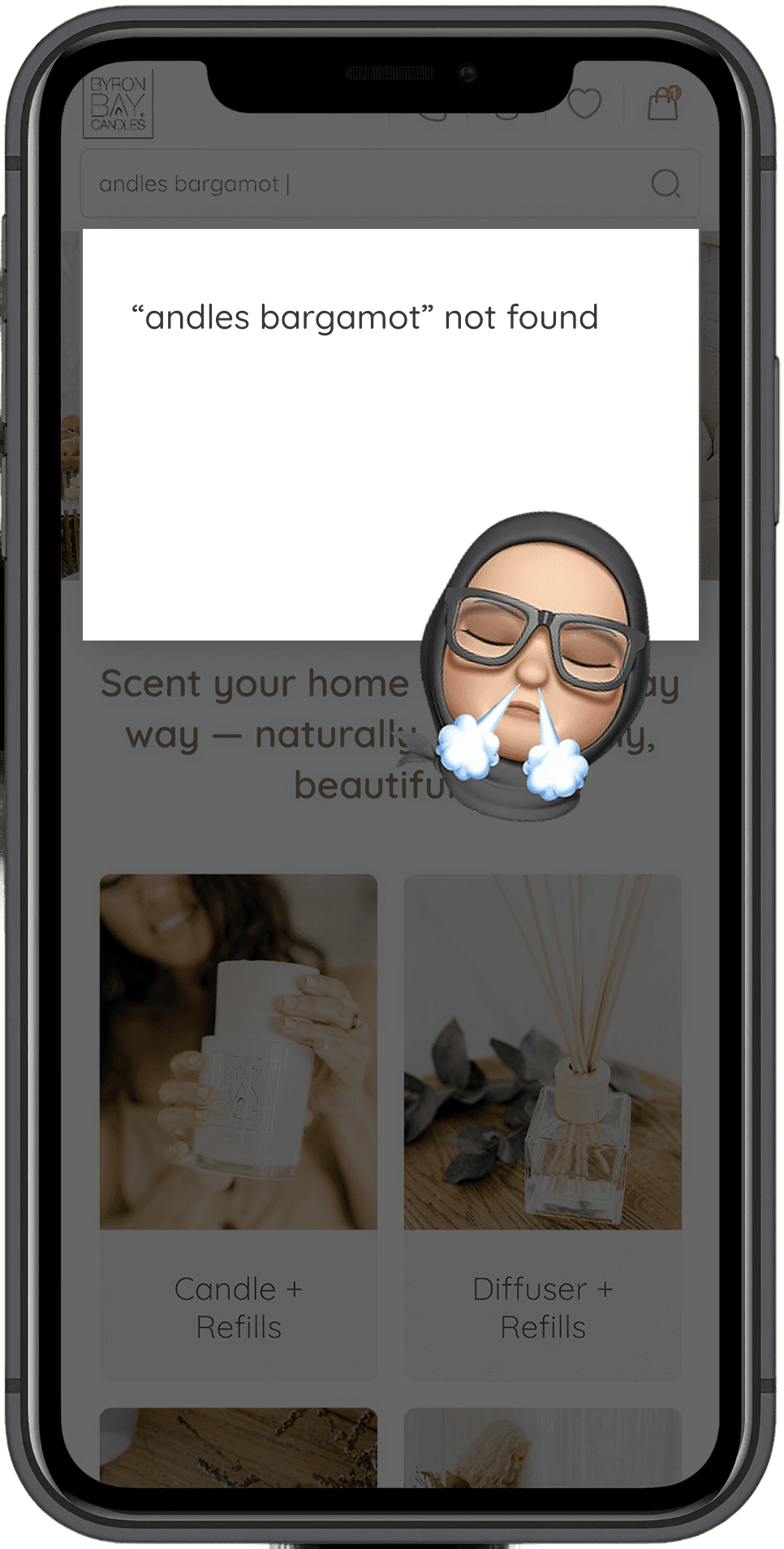
…nothing?

I just mistyped "candle" as "canle" — one letter off — and the whole search just dies. No suggestions. No corrections. Just a blank page.
I know this product exists. I literally just Googled it. But the site makes me feel like I made it up…
#PSYCHOLOGY INSIGHT
Reactance
When users feel like the system is working against them — like a search that gives
nothing for a one-letter typo — they develop an intense emotional response of
frustration and distrust. That feeling lingers. Even if they eventually find the product, the trust in the brand is already damaged.
¹ Wikipedia, Reactance (psychology) (2023)
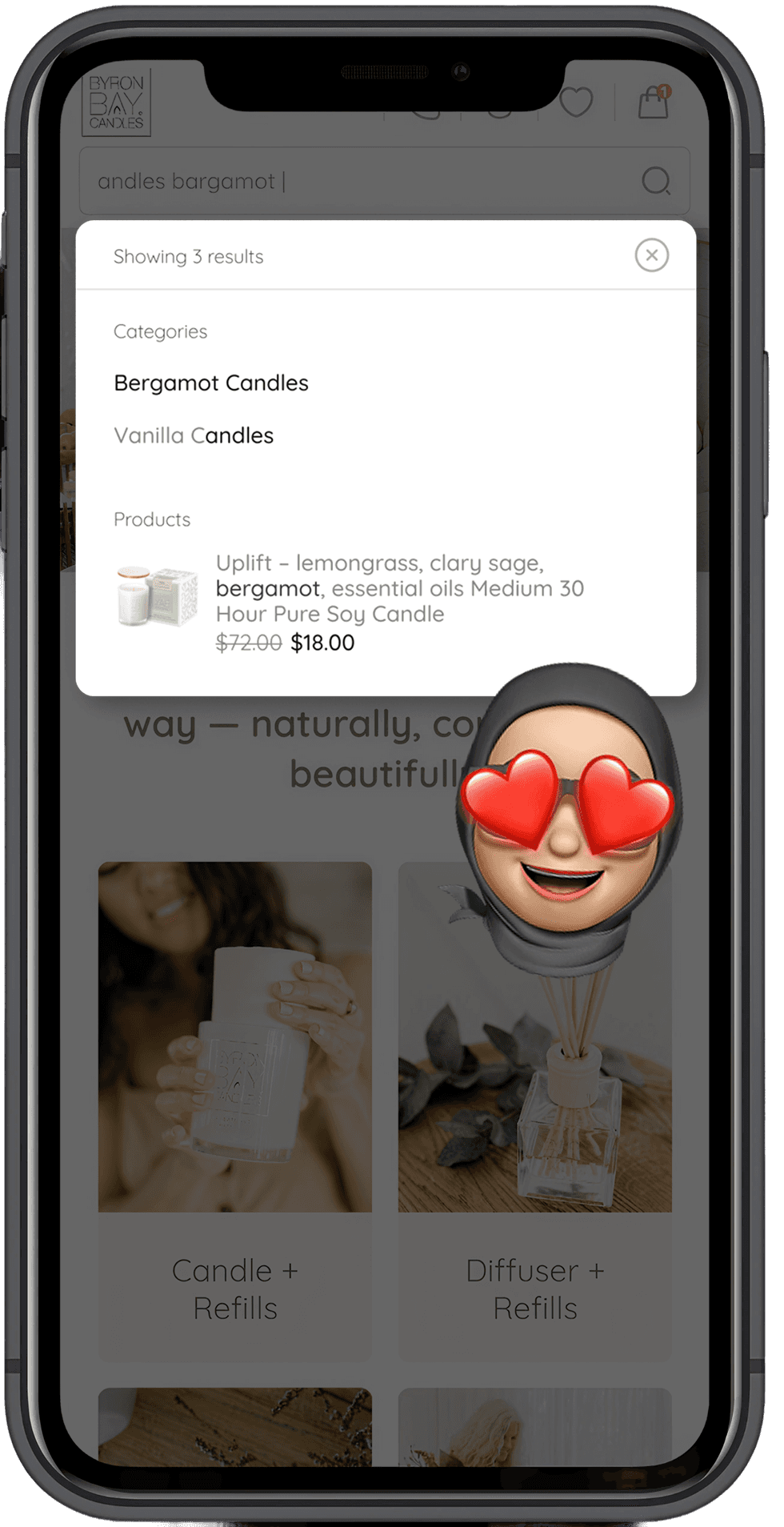
What if the search actually caught the typo and helped instead?
Ohhh — it knows what I meant! Products, categories, and it even corrects the typo. No dead ends.
#ETHICAL INSIGHT
Helping Users Succeed
Autocomplete done right is an act of respect for your user's time. It says: "We
understand what you're looking for, and we want to help you find it." The ethical version surfaces genuinely relevant results — not just high-margin products — and corrects mistakes without making users feel dumb for trying.
Okay! Found it — Bergamot & Sandalwood Soy Candle. Let me tap in… ≈TAP≈
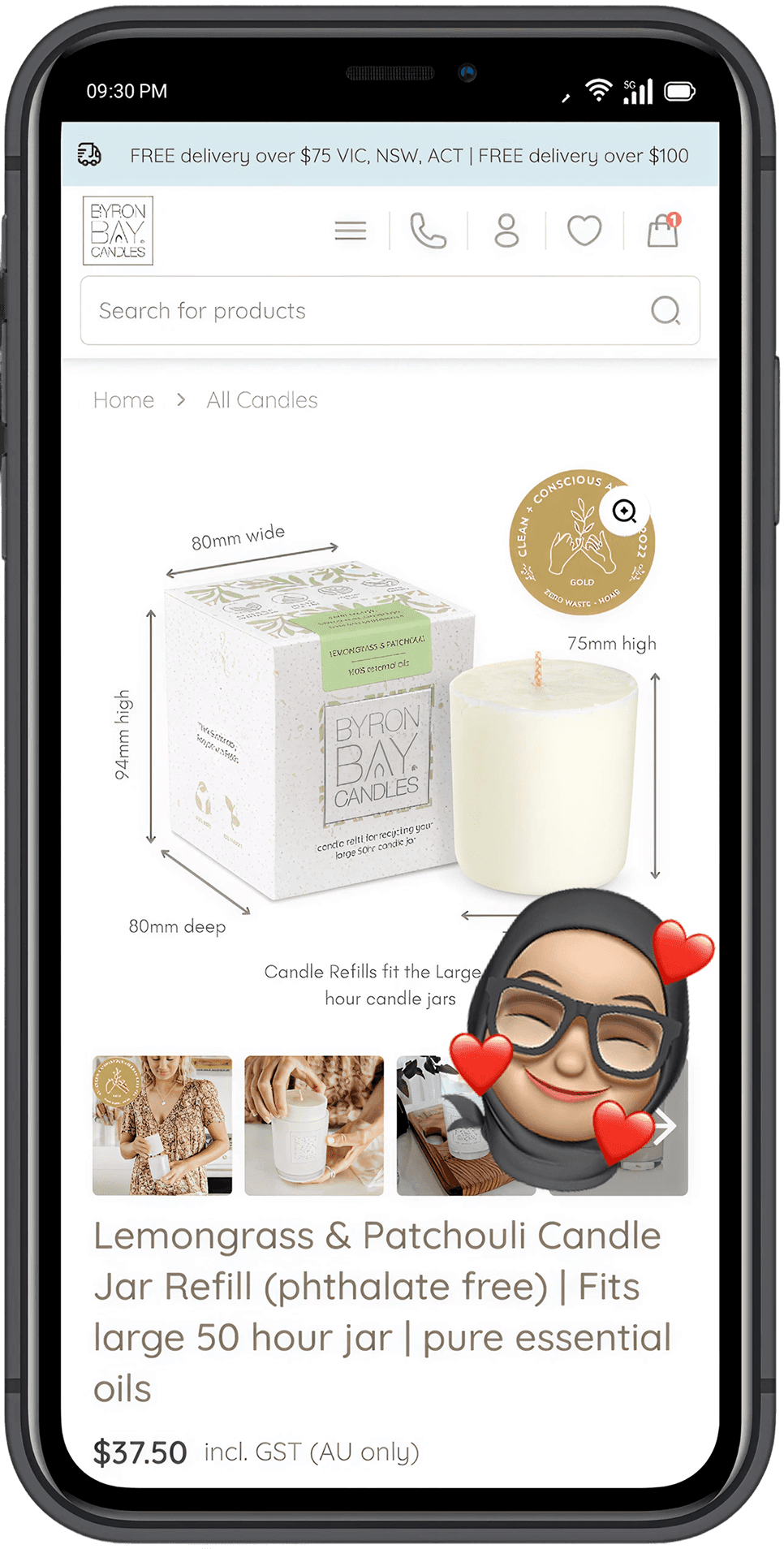

Ohhh this is beautiful. Love the product page — the photos, the description, size selector right there. Super clear.
And it says "Burns up to 50 hours" and "Zero synthetic fragrances" — exactly what I care about as an eco-conscious shopper.
#WHY THIS WORKS
Transparent Product Information
Leading with what matters to the buyer — burn time, ingredients, sustainability —
instead of just the price builds immediate trust. Users don't have to go hunting for the information they need to feel confident. When key details are visible without scrolling, add-to-cart rates go up because users feel informed, not pressured. This is ethical persuasion at its best.
Alright — I'm sold. Adding to cart! ≈TAP≈
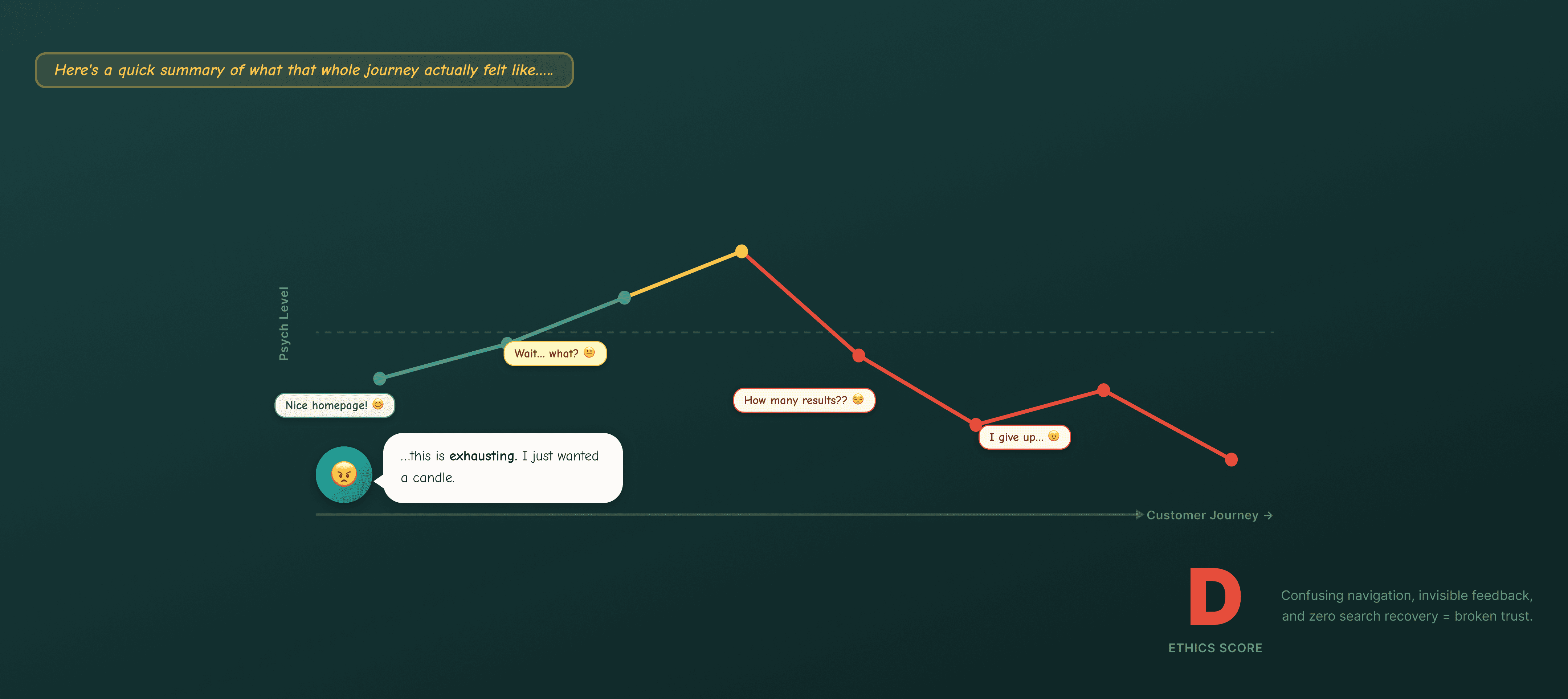
…but what if they weren't trying to trick you? What if the UX just actually worked?
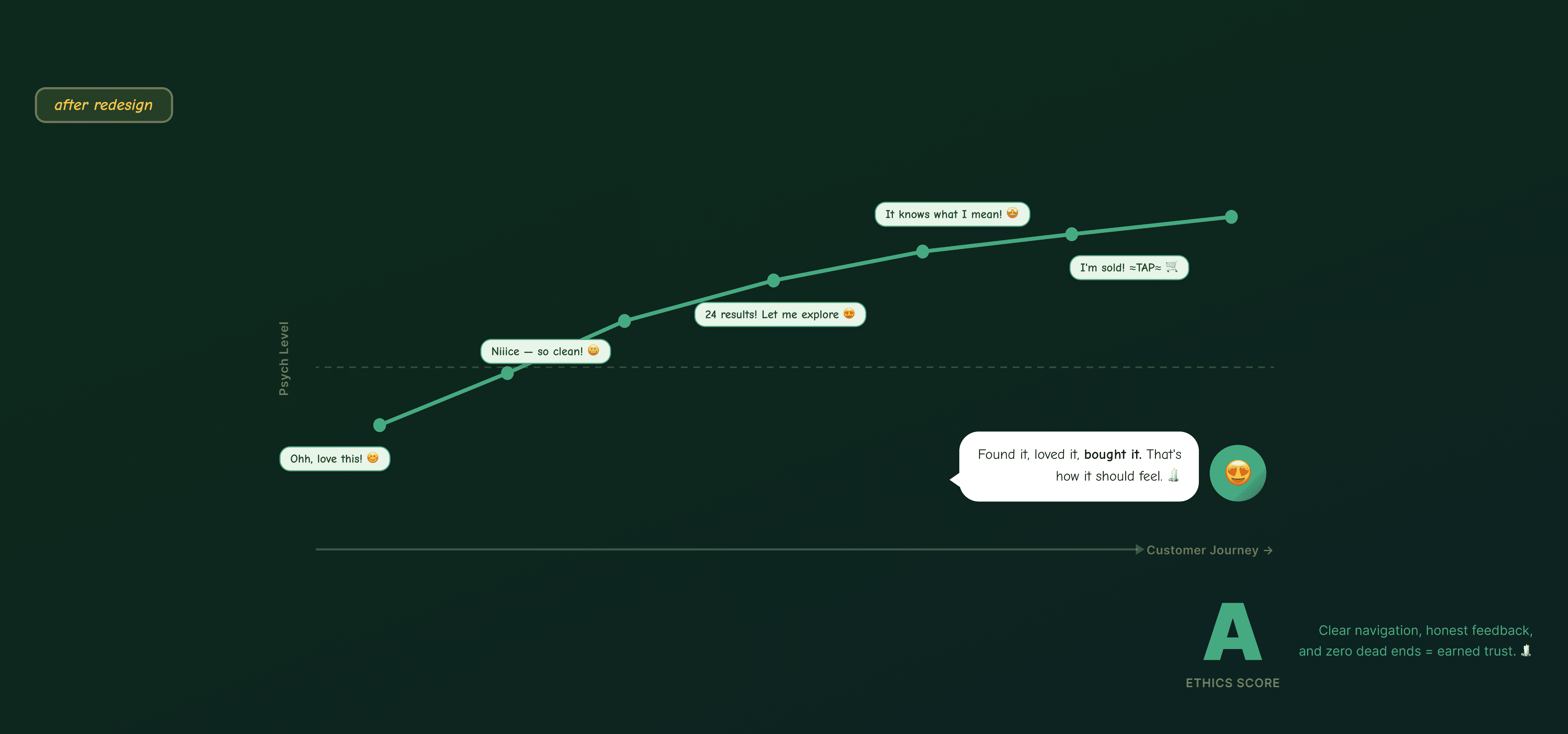
None of these were tricks. No fake urgency. No dark patterns. Just a site that genuinely helps people find what they love as warm and inviting as the candles themselves. 🕯️
3 Ways I Can Help You
Product. Website. UX Audit.
🎨 My product design services focus on creating intuitive and aesthetically pleasing products that resonate with your audience and stand out in the market.